
Non-Surgical Blepharoplasty
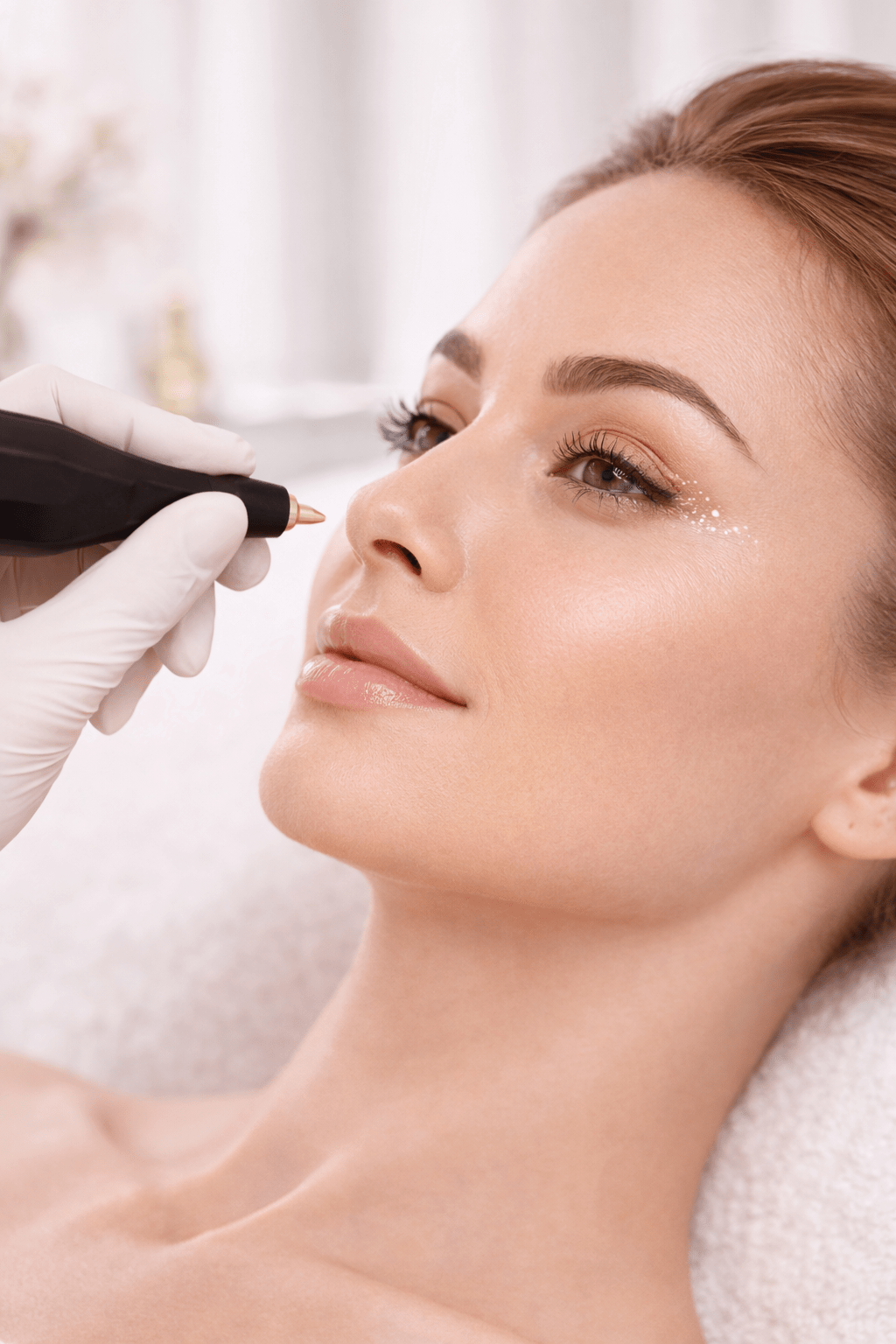
Non-surgical blepharoplasty is an advanced skin-tightening treatment designed to improve the appearance of loose, sagging, or crepey skin around the eyes without the need for surgery. It is commonly used to rejuvenate the upper and lower eyelids, creating a more refreshed, lifted, and youthful appearance.
The treatment works by creating a controlled skin response that stimulates tightening and encourages collagen production. This helps to gradually improve skin firmness, texture, and overall quality over time.
It is an effective option for clients who are not ready for surgical blepharoplasty or who prefer a non-invasive alternative to improve the eye area.
A full consultation is always carried out to assess suitability, skin quality, and expected outcomes, ensuring the treatment is safe and appropriate for you.
What Can Non-Surgical Blepharoplasty Help With?
Non-surgical blepharoplasty can improve the appearance of:
• Loose or sagging upper eyelid skin
• Crepey or ageing skin around the eyes
• Under-eye skin laxity
• Fine lines and wrinkles in the eye area
• Tired or heavy-looking eyes
Results develop gradually as the skin tightens and collagen production is stimulated, with continued improvement over time.
How Non-Surgical Blepharoplasty Works
The treatment works by creating a controlled skin response that:
• Tightens and contracts loose skin
• Stimulates collagen and elastin production
• Improves skin firmness and texture
• Encourages long-term skin rejuvenation
This process helps to lift and refresh the eye area while maintaining a natural-looking result.
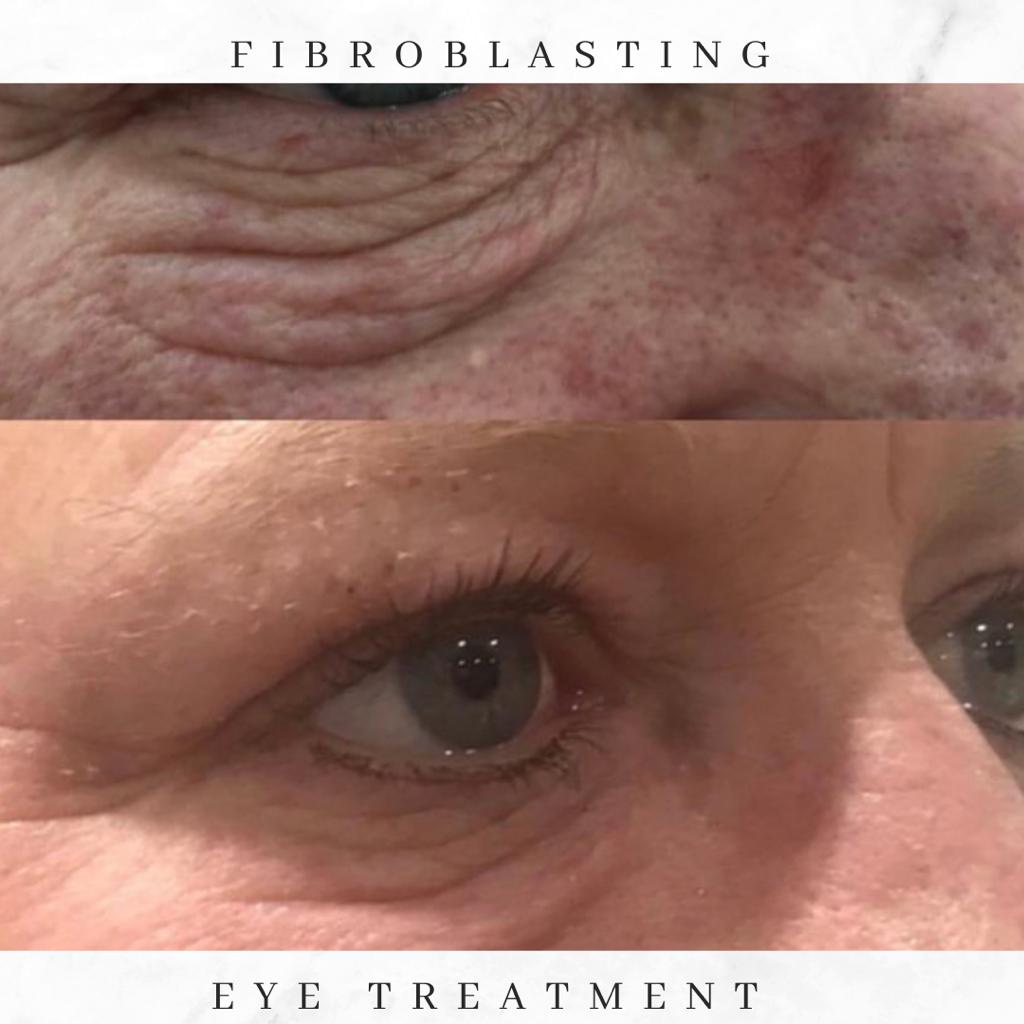
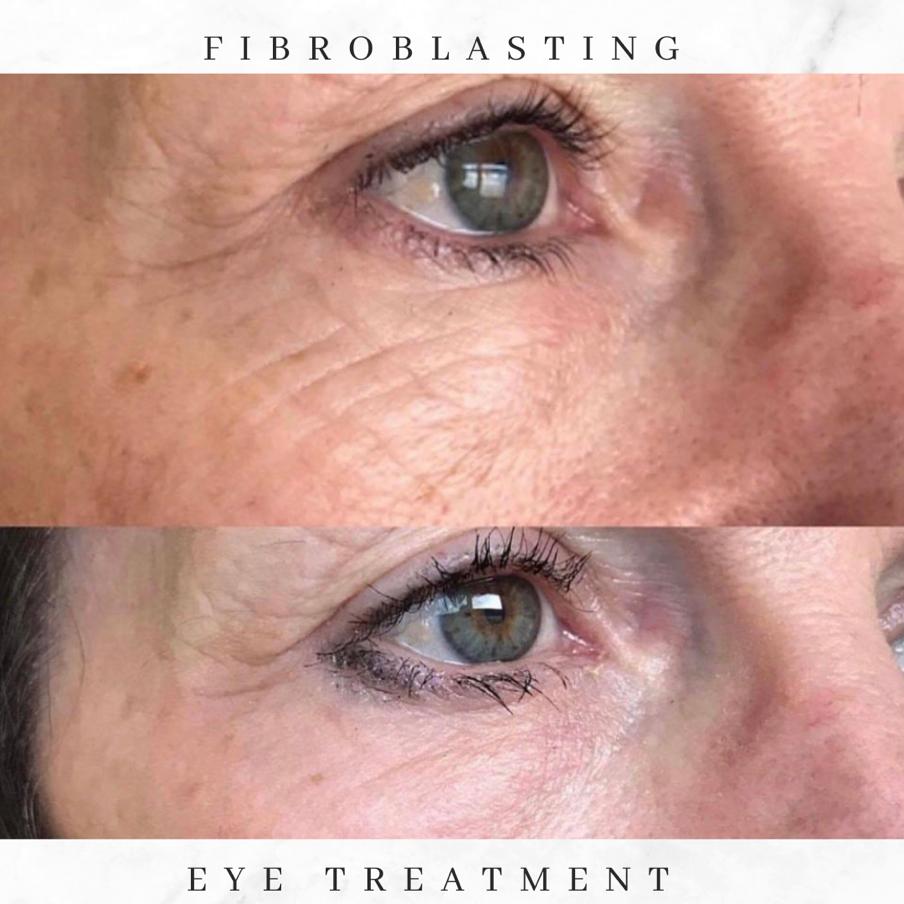
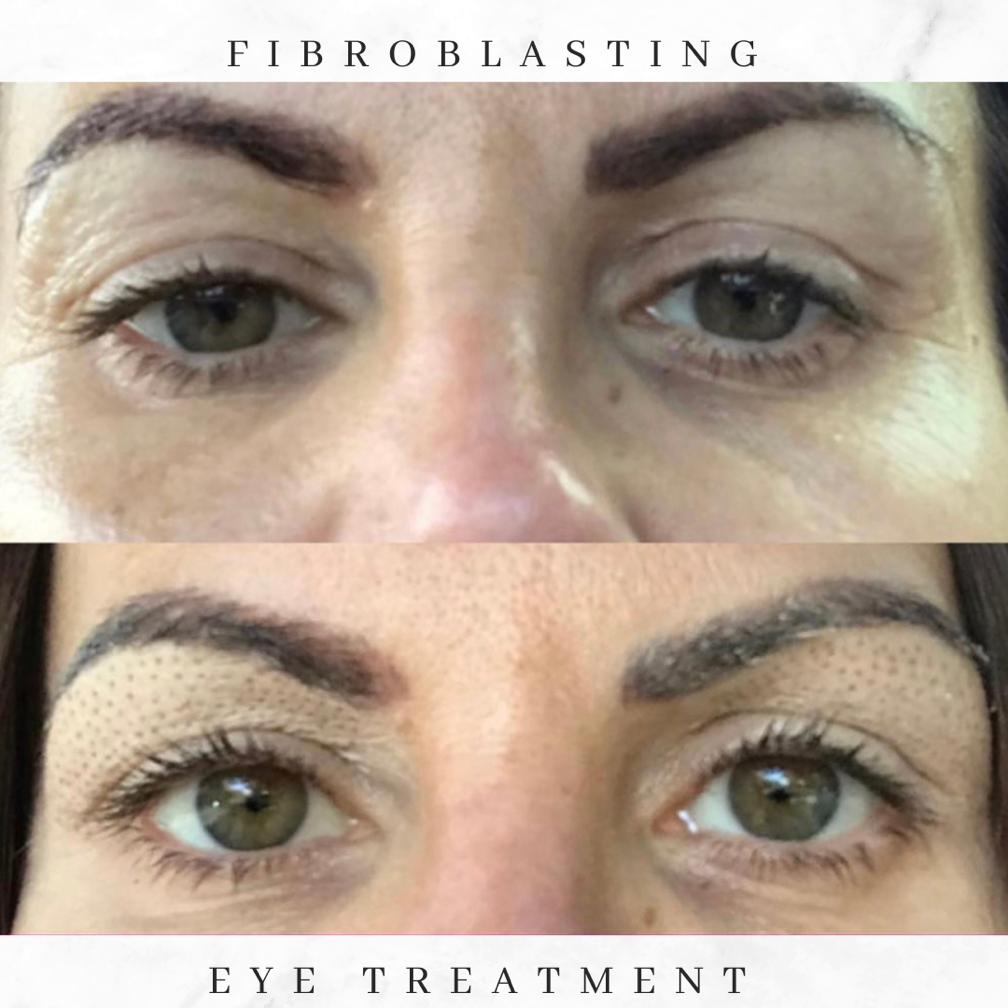
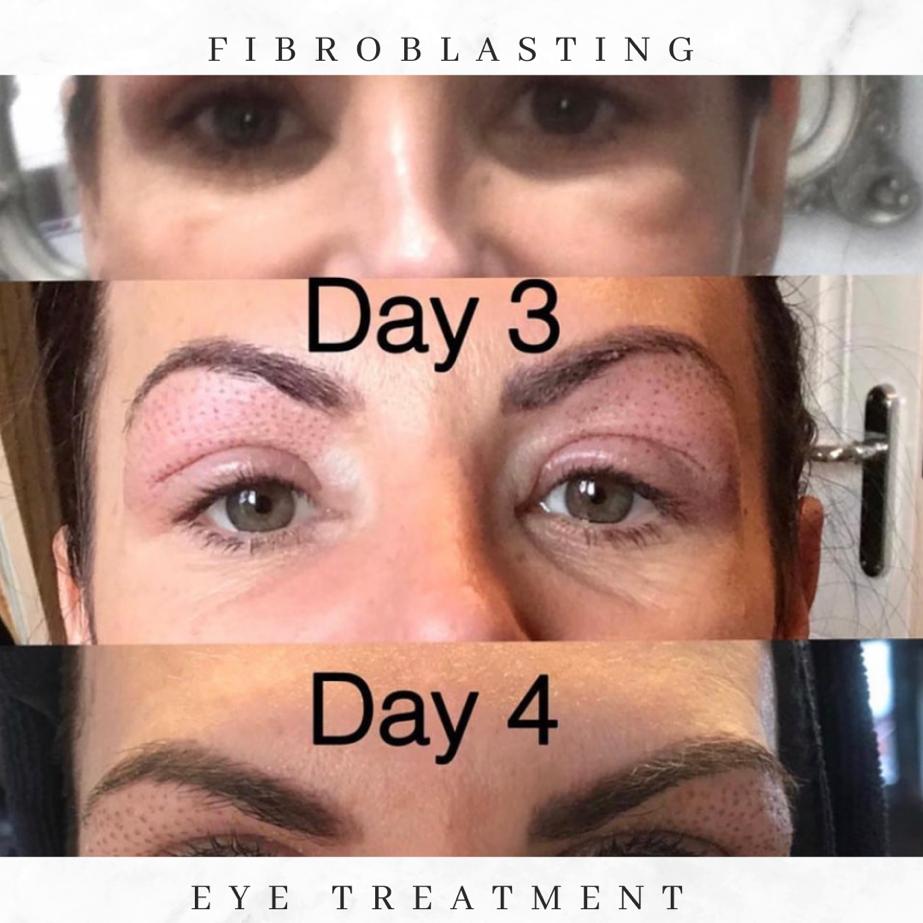
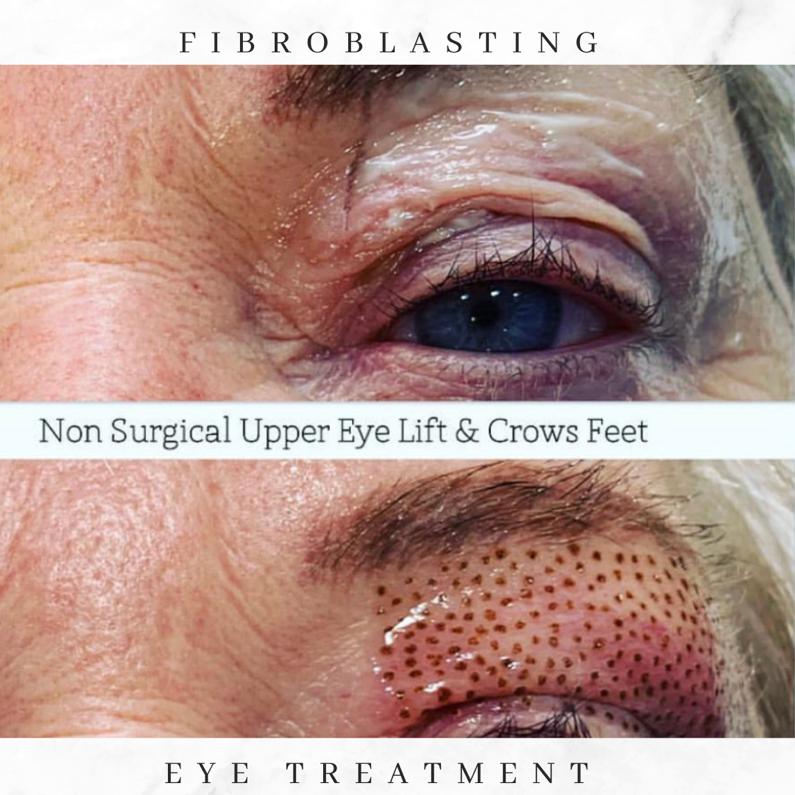
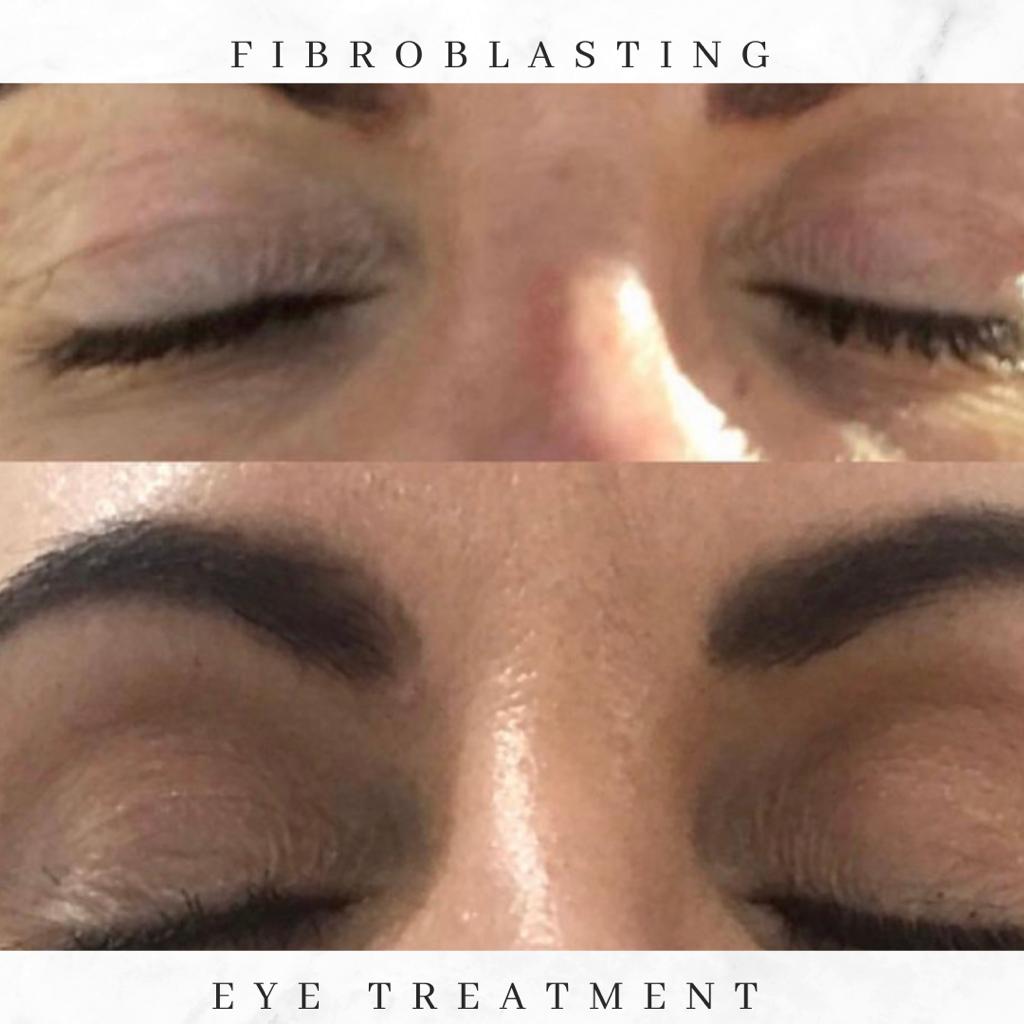
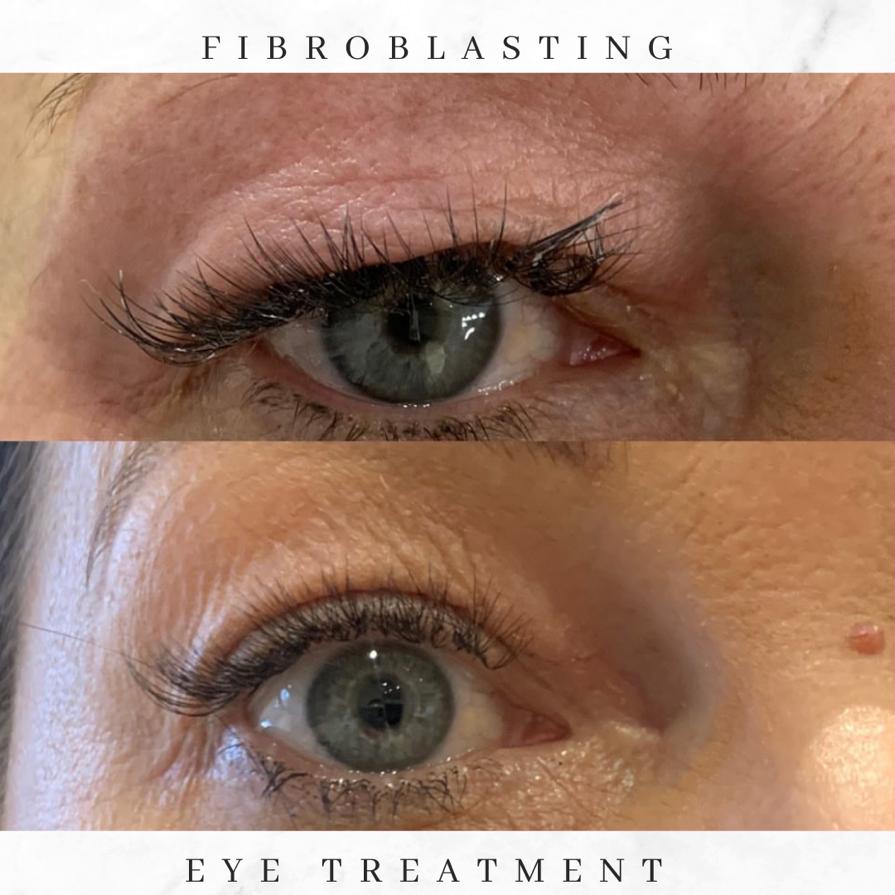
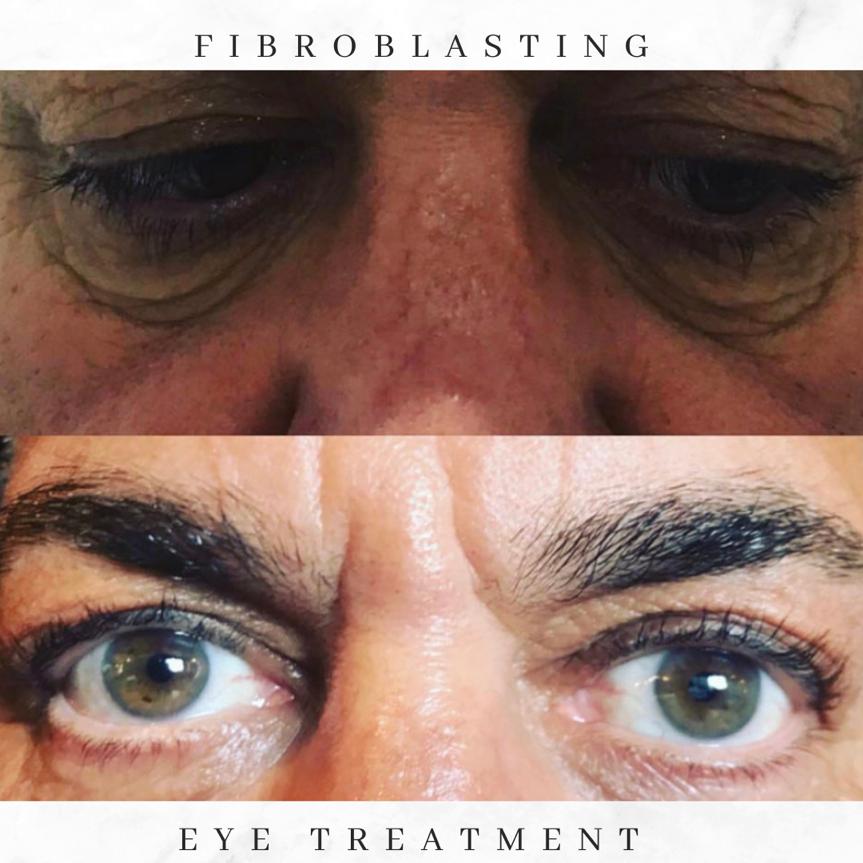
Areas That Can Be Treated
Areas That Can Be Treated
Non-surgical blepharoplasty can be used on:
• Upper eyelids
• Lower eyelids
• Under-eye area
• Fine lines around the eyes
Suitability for each area is carefully assessed during your consultation to ensure the treatment is safe, appropriate, and delivers optimal results.
Who Is a Suitable Candidate for Non-Surgical Blepharoplasty?
Non-surgical blepharoplasty is best suited to clients who are able to follow strict pre- and post-treatment aftercare, particularly in relation to sun and UV exposure.
You may be a suitable candidate if you:
• Have mild to moderate loose or crepey skin around the eyes
• Are not pregnant or breastfeeding
• Are in good general health
• Can avoid sun exposure, sunbeds, and tanning products for 6–8 weeks before and after treatment
• Are able to follow all aftercare instructions carefully
This treatment may not be suitable for clients who have had recent sun exposure, have upcoming holidays, work outdoors regularly, or use sunbeds, as UV exposure can interfere with healing and increase the risk of pigmentation or uneven results.
Suitability is always assessed during your consultation to ensure the safest and most effective outcome.